Calendar-integrated prompts
Use recurring holds labeled as optional hydration breaks. Visible to the individual, not broadcast to the whole company by default.
Reminders
Reminder design is an operational conversation. This page outlines channel options, ownership models, and copy patterns suitable for U.S. teams seeking general informational support.
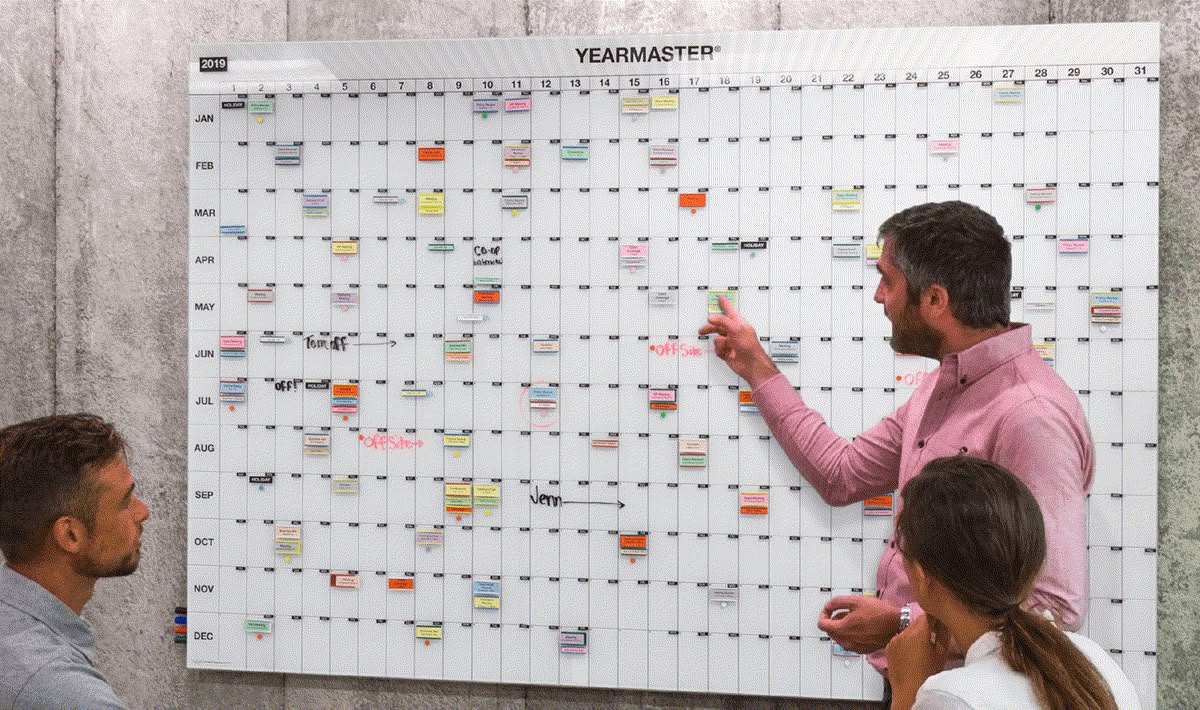
Choose one primary channel per team slice, then add a backup only where policy allows. Avoid stacking identical prompts across devices within the same ten-minute window.
Use recurring holds labeled as optional hydration breaks. Visible to the individual, not broadcast to the whole company by default.
Default quiet windows follow local time: before 8:00, during declared focus blocks, and after 18:00 unless shift work requires otherwise. Escalation moves from gentle copy to a single daily summary—not repeated alarms.
Level A
Neutral one-line message with snooze options.
Level B
Aggregated note after meetings conclude.
Phrases like “Optional pause available” replace imperative language that can feel pressuring in open-office settings.
Short sentences, no jargon, and consistent verbs across locales when teams span multiple states.
Copy reviewed alongside internal communications standards before publication to staff.
Assign a reminder coordinator from operations—not a clinical role. They maintain schedules, document changes, and publish monthly summaries for leadership visibility.
Approves integrations and data retention settings.
Reviews inclusivity and opt-out communications.
Optional volunteers who test copy variants with small groups before wider release.
Define success as engagement quality, not consumption volume. Collect voluntary survey responses and meeting-interruption flags.
We will send educational materials describing sample cadences and governance templates.
Get in Touch